

Crusade in Europe
Crusade in Europe is a classic real-time simulation game from the 80s designed by Sid Meier and Ed Bever. The first title in the "Command Series" of tactical wargames from Microprose, the game features real-time battles that test your skills as a commander.
Best price
zł 1.55
 India
India
IndiaIn your region
zł 3.82
32 of 40
Average pricezł 2.75across 5 regions
Saving−59%in India compared to yours
Steam prices by region
40 regions


No such country
Prices as the storefront shows them, taxes and fees at checkout may differ
Screenshots and videos
About
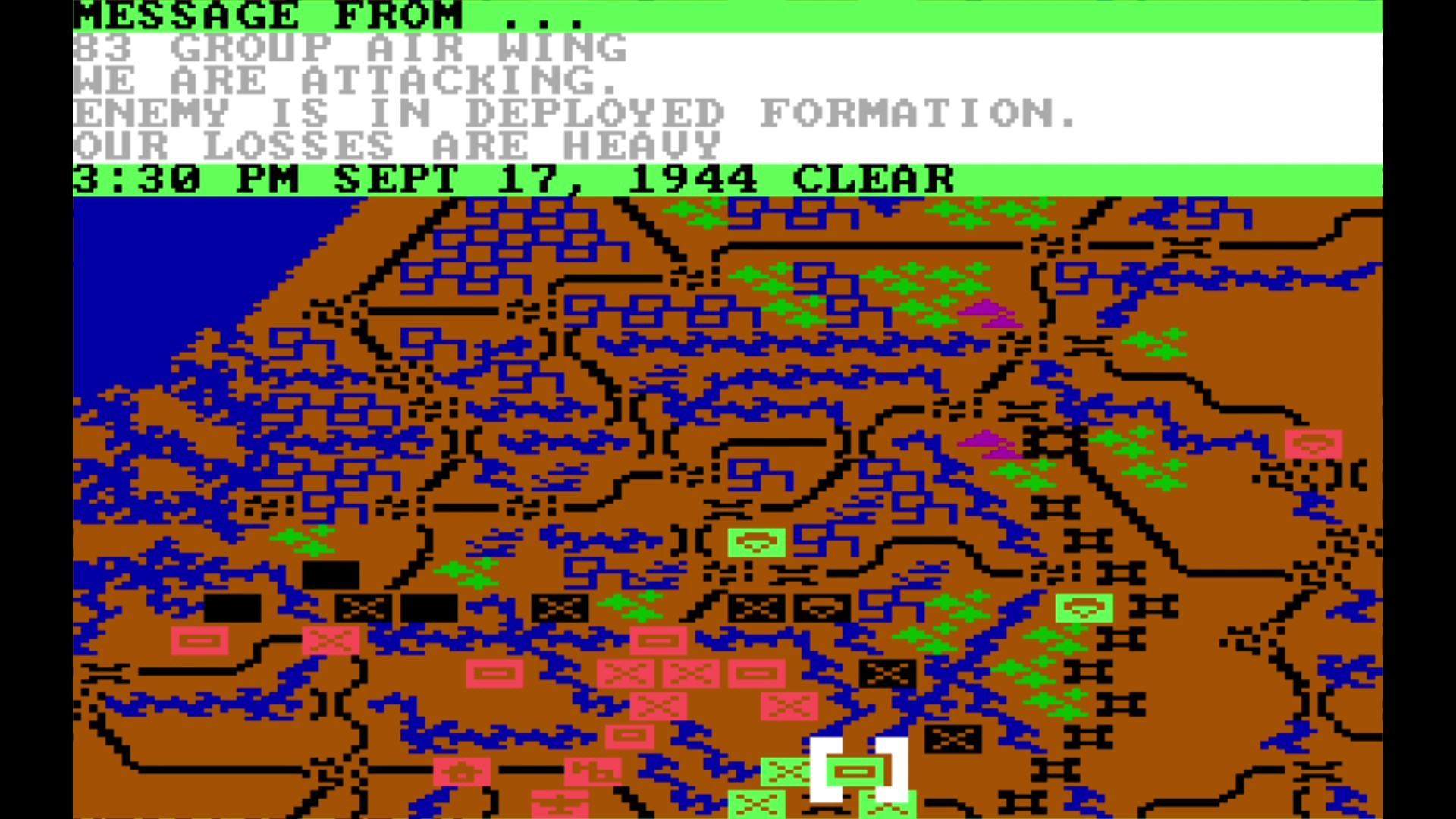
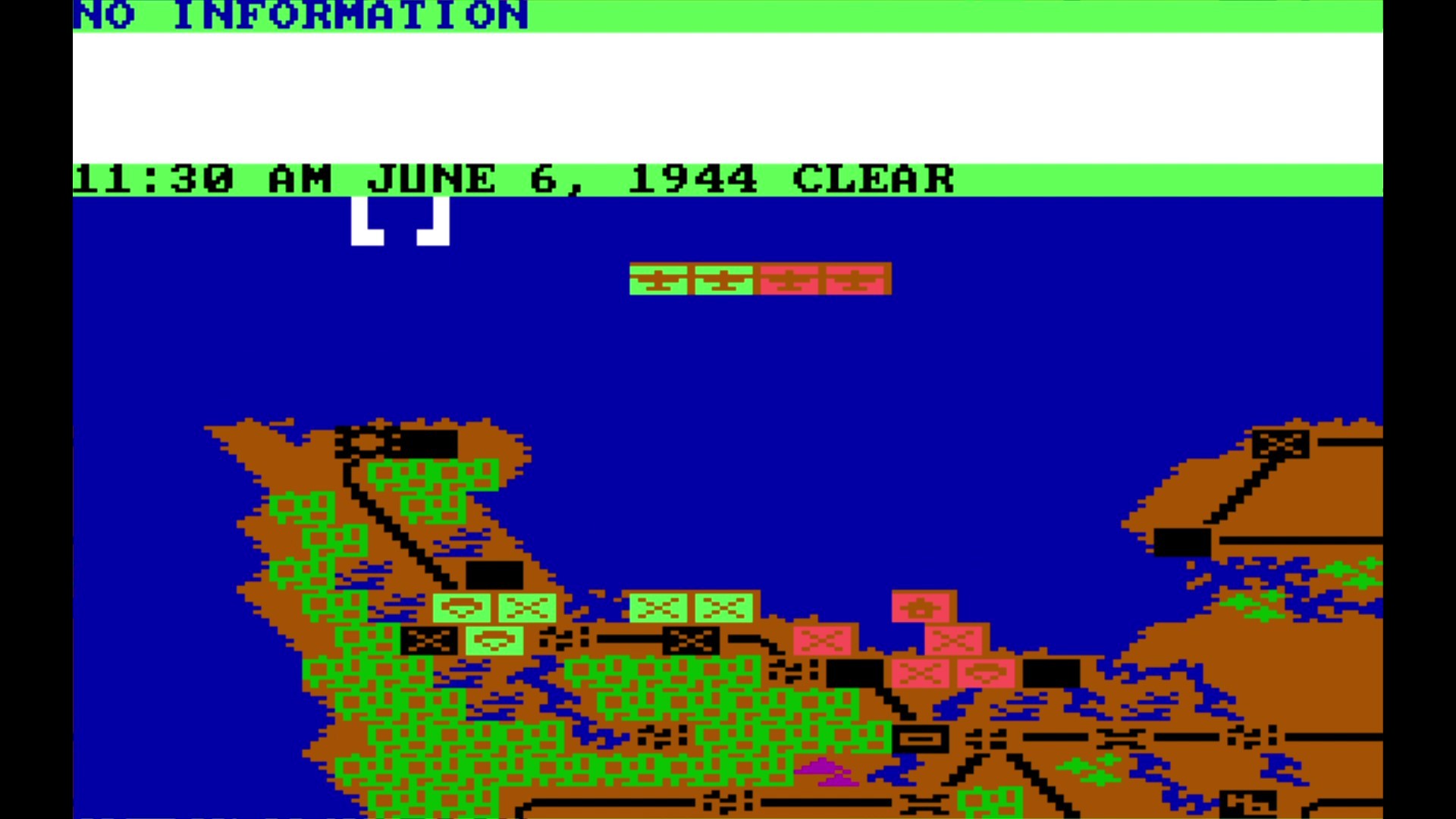
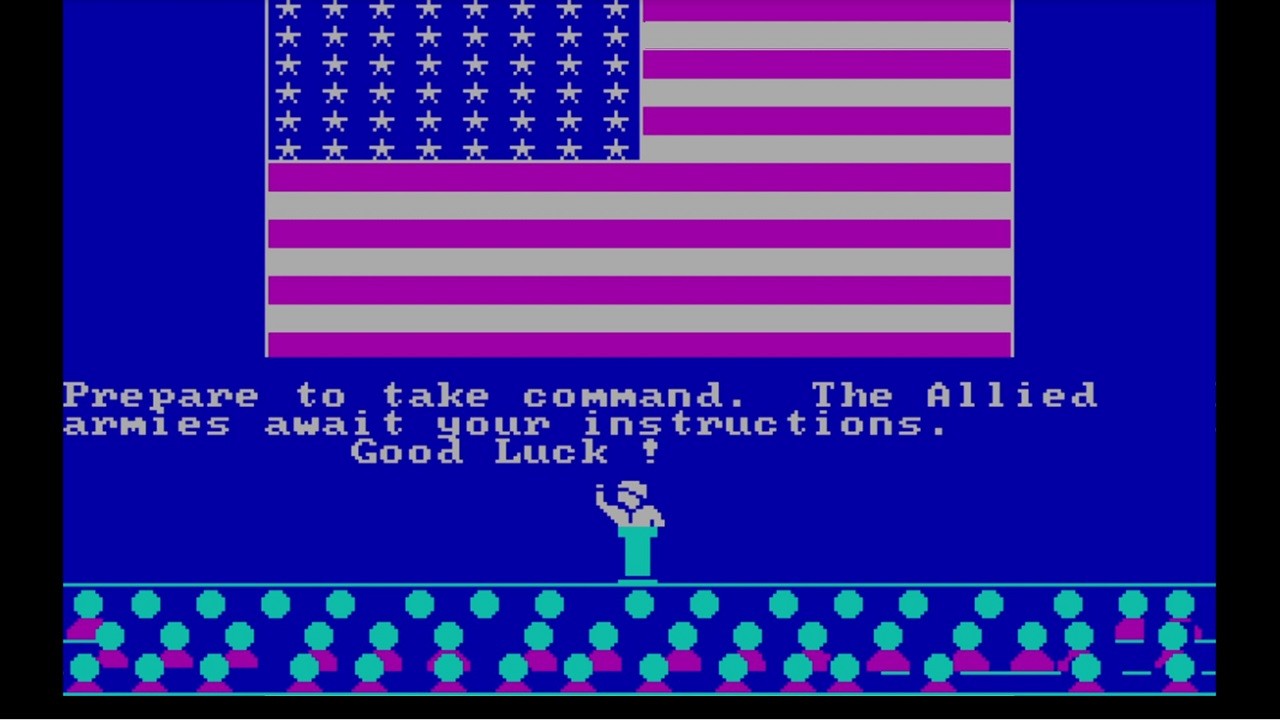
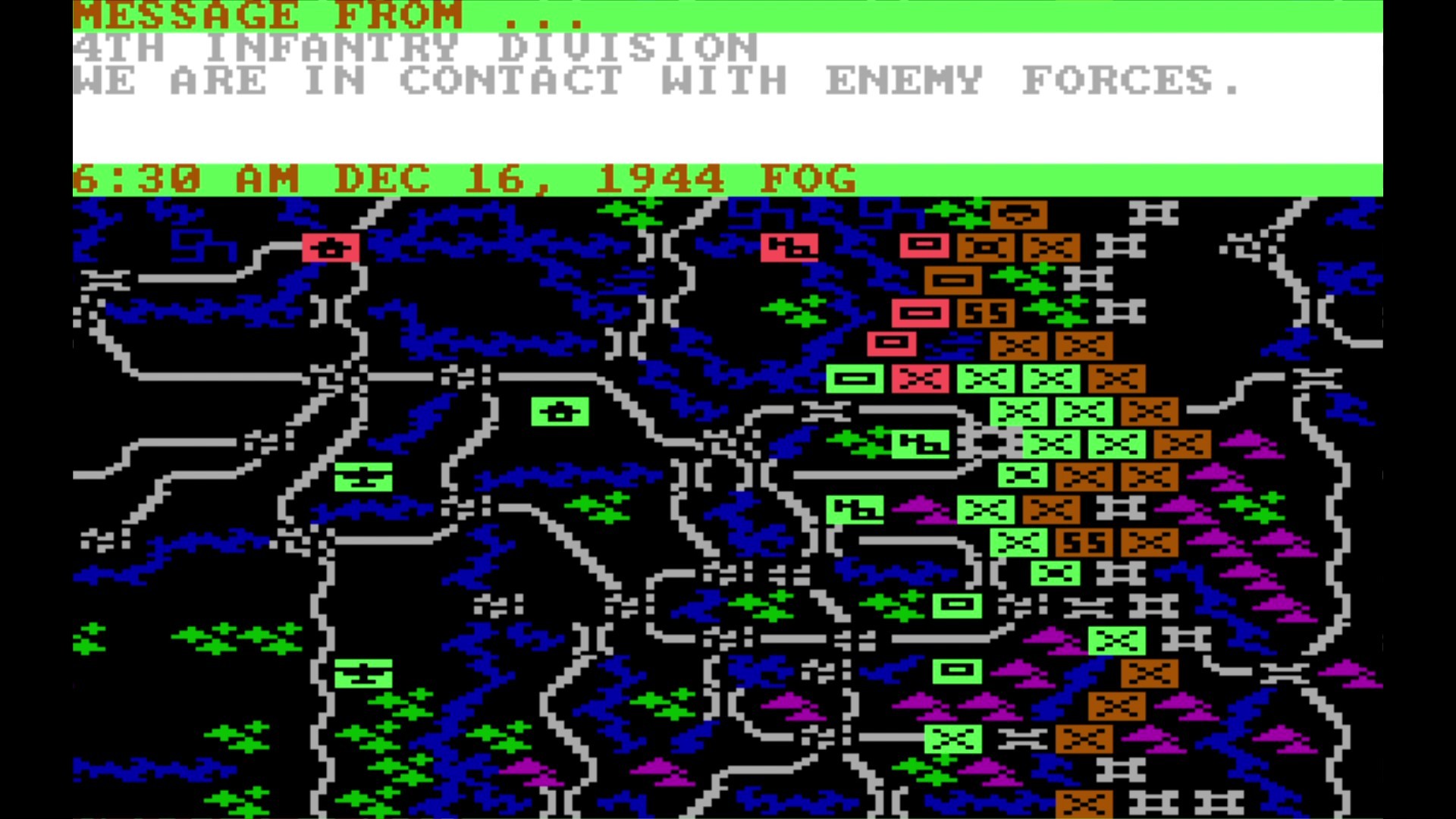
Normandy, June 1944. An invasion force of more than 150,000 British, Canadian and American forces needs to be managed, and then their actions on the ground need to be coordinated in response to real-time events on the battlefield. The beginning of a true military crusade.
Crusade in Europe is a classic real-time simulation game from the 80s designed by Sid Meier and Ed Bever. The first title in the "Command Series" of tactical wargames from Microprose, the game features real-time battles that test your skills as a commander.
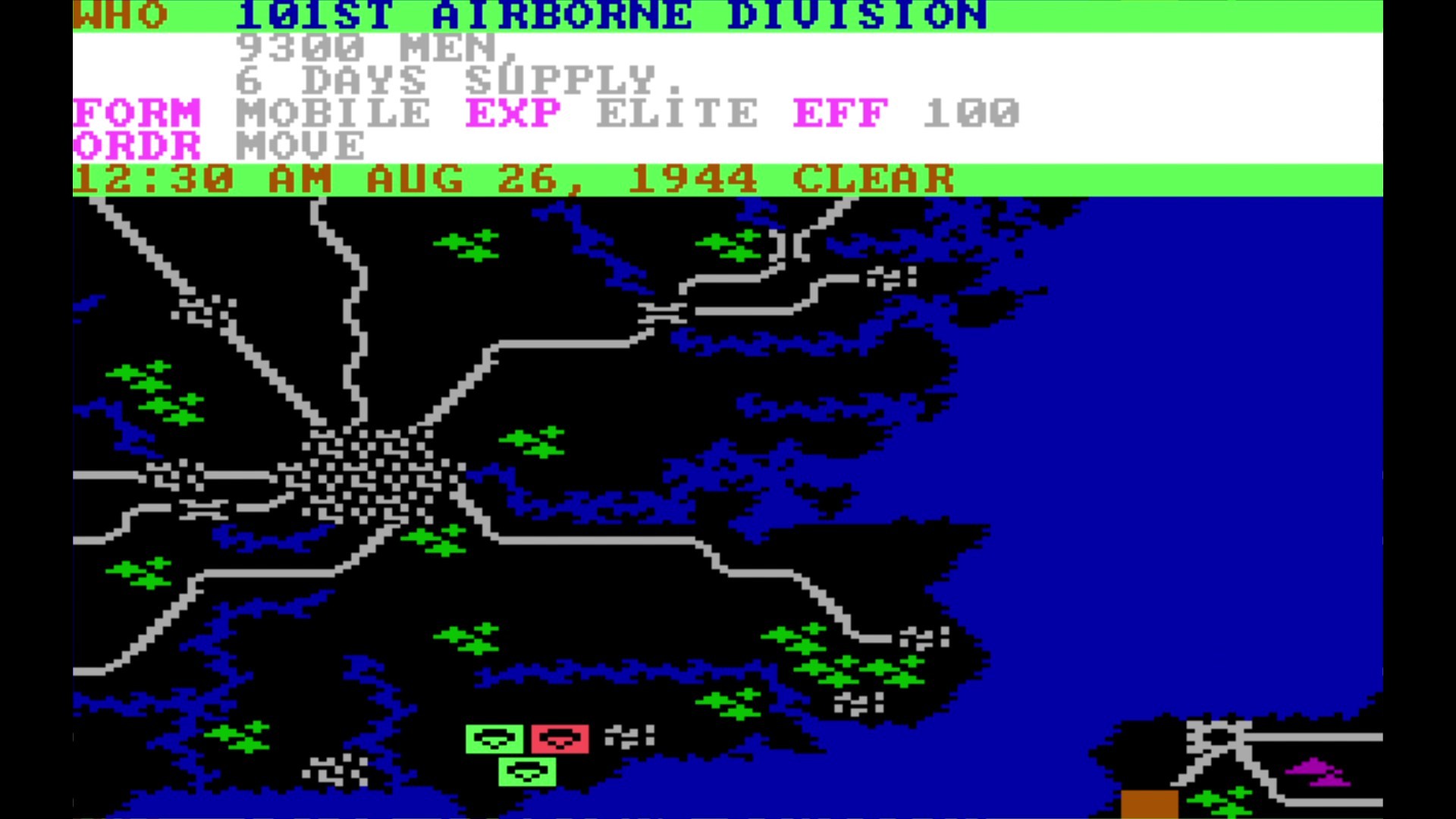
Five different scenarios, from D-Day to the Battle of the Bulge, recreate the tactical decisions faced by commanders in the European Campaign. Each has multiple variables, so you can create “what-if” scenarios, and different levels of difficulty.
Accelerated real-time simulation
Historically accurate scenarios
Different skill levels
Single player campaign
Two-play head-to-head
Choose to lead either side
In-depth historical backgrounds and hints
The idea for the Command Series came from observation of actual tabletop military scenario exercises. The games challenge you to manage assets, strategically place and move them around the battlefield map, and try to out maneuver the enemy. Victory requires careful strategic thinking and fast responses to rapidly changing battlefield conditions.
Sid Meier, one of the most well-known and prolific strategy game designer-producers, collaborated with historian Ed Bever to make the games incredibly historically accurate.
The Command Series, including Decision in the Desert, Crusade in Europe, and Conflict in Vietnam, has been brought back by Atari and the titles are now available on Steam.
Crusade in Europe is a classic real-time simulation game from the 80s designed by Sid Meier and Ed Bever. The first title in the "Command Series" of tactical wargames from Microprose, the game features real-time battles that test your skills as a commander.
Five different scenarios, from D-Day to the Battle of the Bulge, recreate the tactical decisions faced by commanders in the European Campaign. Each has multiple variables, so you can create “what-if” scenarios, and different levels of difficulty.
Accelerated real-time simulation
Historically accurate scenarios
Different skill levels
Single player campaign
Two-play head-to-head
Choose to lead either side
In-depth historical backgrounds and hints
The idea for the Command Series came from observation of actual tabletop military scenario exercises. The games challenge you to manage assets, strategically place and move them around the battlefield map, and try to out maneuver the enemy. Victory requires careful strategic thinking and fast responses to rapidly changing battlefield conditions.
Sid Meier, one of the most well-known and prolific strategy game designer-producers, collaborated with historian Ed Bever to make the games incredibly historically accurate.
The Command Series, including Decision in the Desert, Crusade in Europe, and Conflict in Vietnam, has been brought back by Atari and the titles are now available on Steam.
Facts
- Released
- Jun 6, 1985
- In catalog since
- Oct 18, 2026
- Publisher
- Atari
- Developer
- MicroProse
- Platforms
- PC
- Genres
- Simulation, Strategy
- Features
- Single-player, Family Sharing
- Languages
- English
System requirements
Minimum
Minimum:- OS *: Windows 7 or higher
- Processor: Pentium 4 or higher
- Memory: 256 MB RAM
- Graphics: Direct X 9 compatible graphics card
- DirectX: Version 9.0
- Storage: 100 MB available space
- Additional Notes: Runs on DOSBox. Bypass encryption questions by pressing any key when prompted to enter code